Fungi have long been associated with ghoulish and otherwise creepy activities. Zombie ants? Well, not in Deering, but in tropical America a fungus takes over the ant, commanding the creature to climb up into a tree so as to enhance the ability of the fungus to disperse its spores — to other ants. St Vitus Dance, induced by consuming ergot baked in rye bread, the ergot a reproductive unit of a fungus that invades and takes over the seed of rye and is gathered with the grain and baked into poor people’s bread. This is what lead Massachusetts colonists to hang some poor girls, ascribing their witchy behaviour to work of the devil.
Here is my Halloween offering : a selection of spookily named fungi — and one plant — that I have found in Deering.
Omphalotus illudens: Jack O’Lantern Mushroom
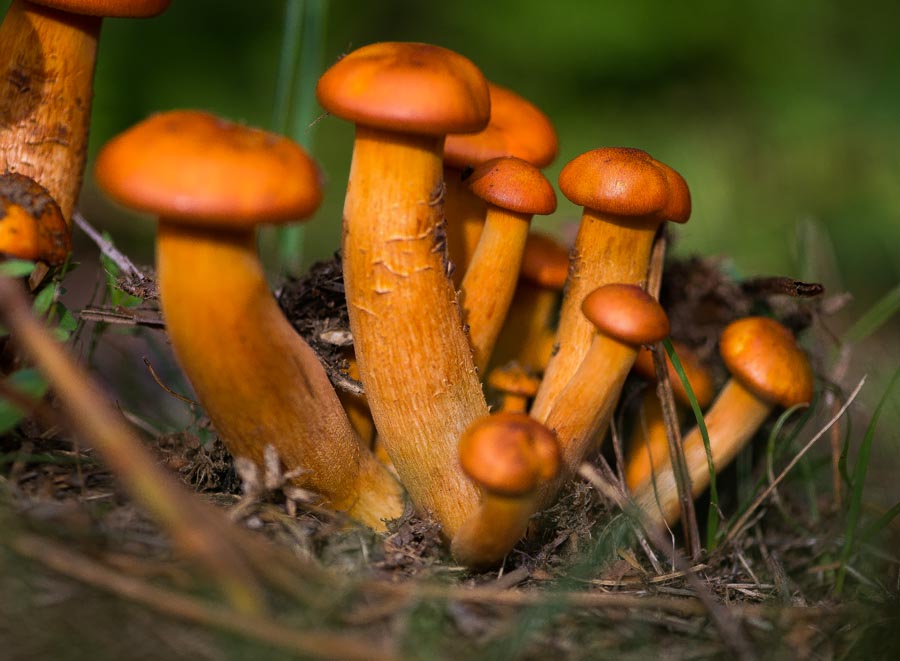
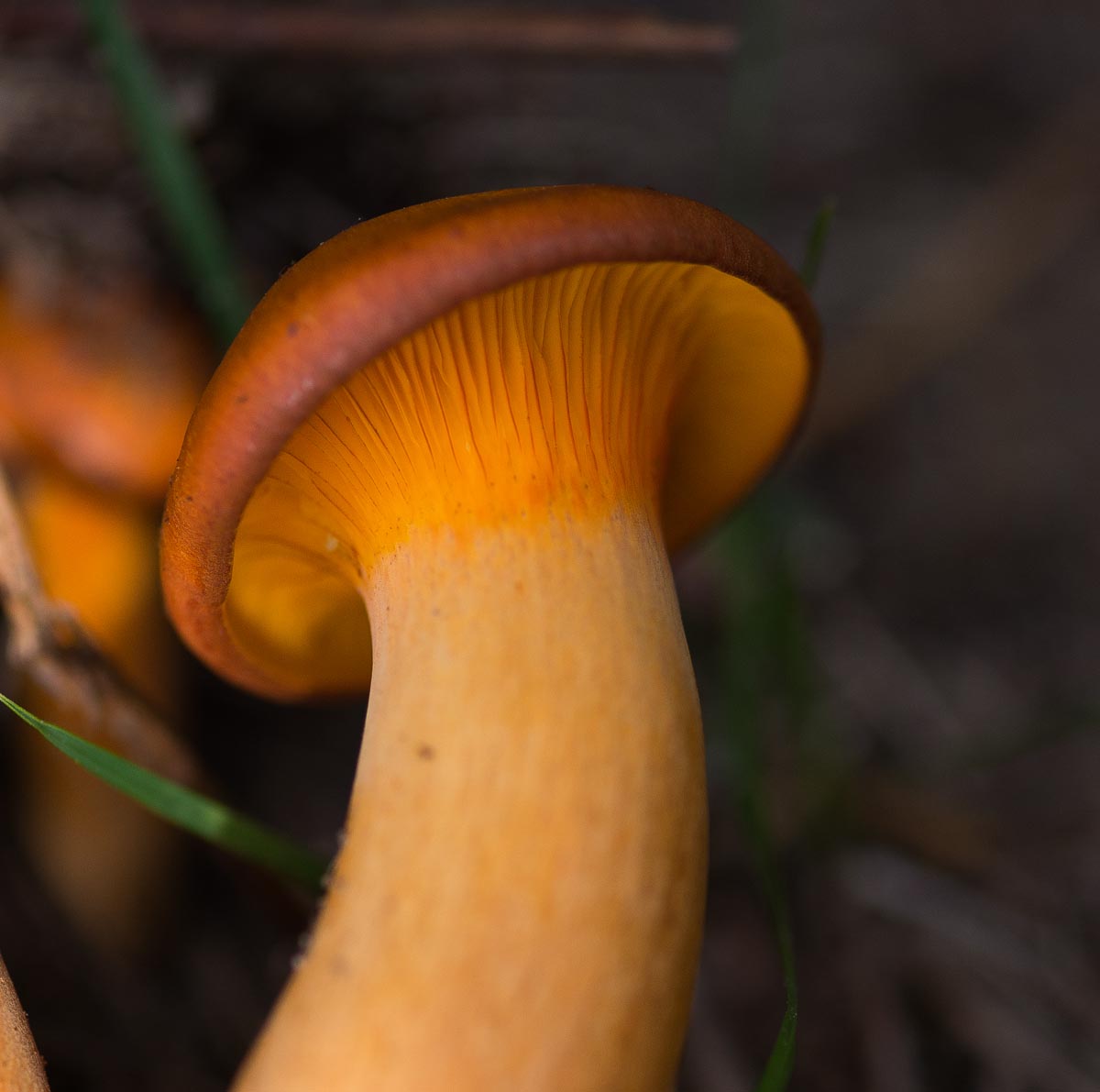
Apart from the pumpkinny color that suggests the season, the Jack O’Lantern mushroom glows in the dark. Spooky, right? Wrap it in aluminum foil and put it in a dark place, such as a dresser drawer, and when you awaken during the night you might se it glowing. This is where the species name ‘illudens‘ comes from. The gills, where the spores are formed, tend to run down the stalk, as can be seen in the right hand picture. This, and the color, suggest the golden chanterelle. But don’t be tempted to eat this one because if you do, you are likely to end up with an unhappy stomach. Omphalotus illudens is a fairly wide spread and common fungus, growing on stumps and buried wood, typically oak.
Dead Man’s Fingers: Xylaria species
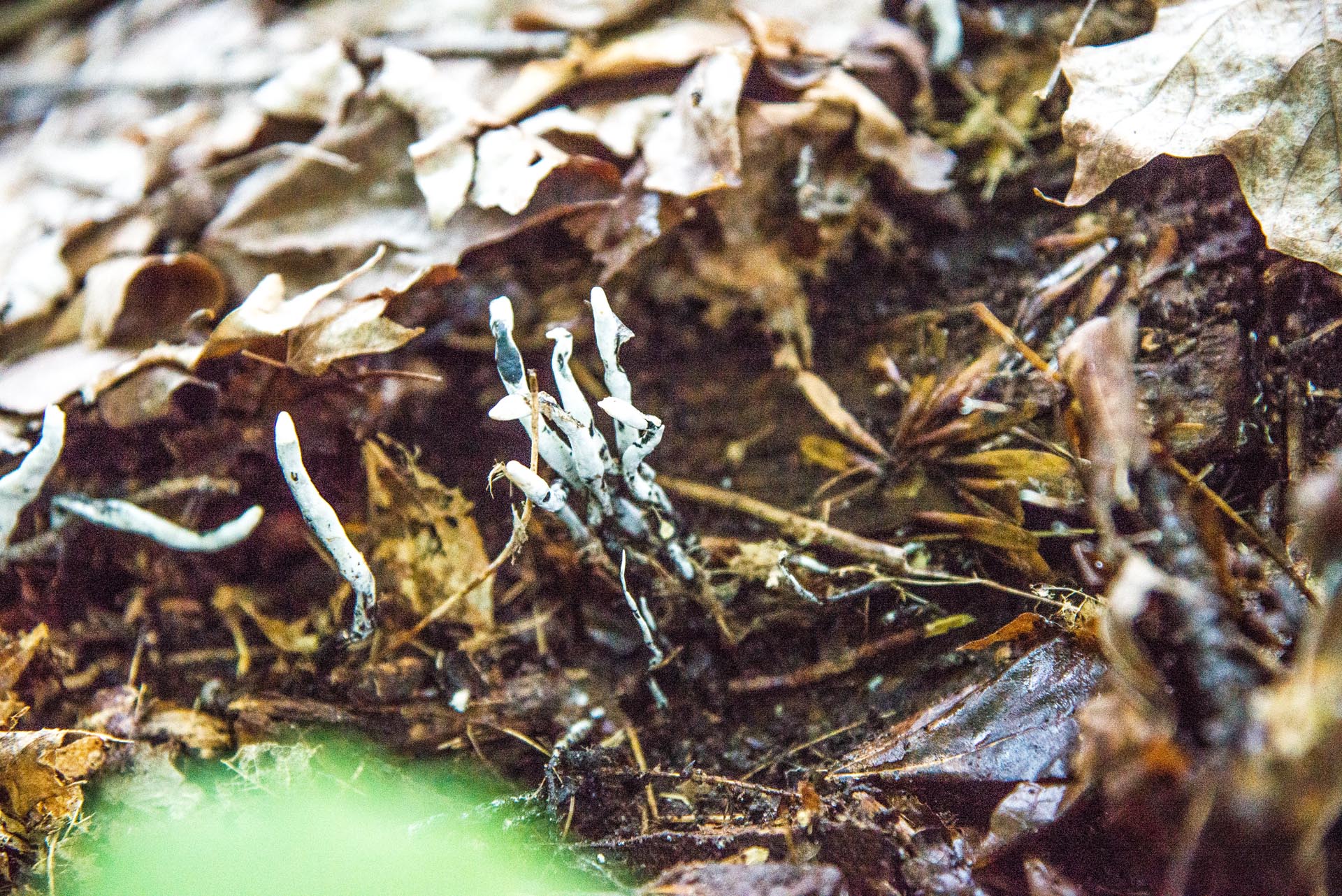
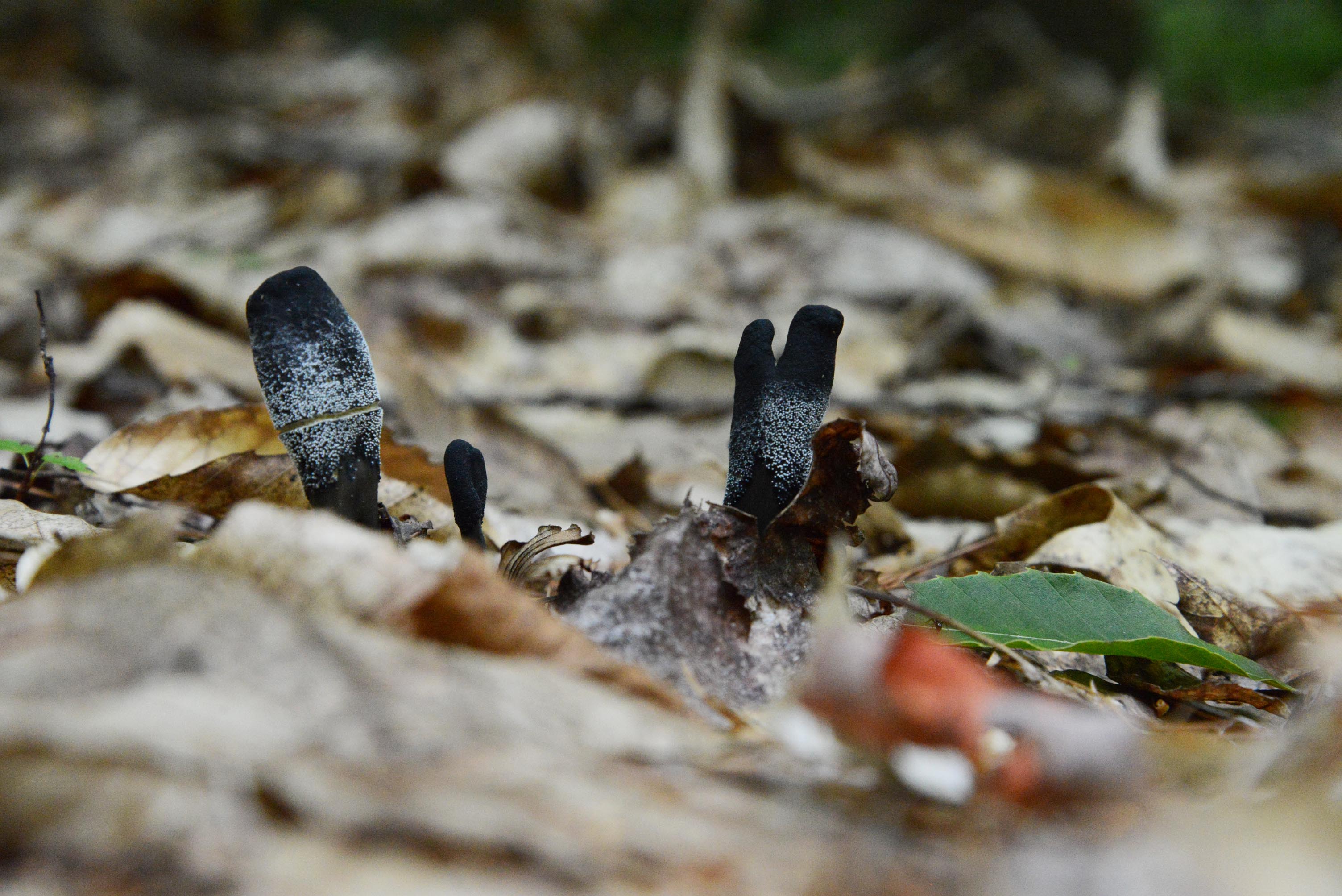
Xylaria species, asexual/spring form on the left and sexual/summer,fall form on the right
Black fingers reaching out from the dense leaf litter. An undead soul seeking revenge? Dead Man’s fingers they are, and if you are brave enough to try to pull them out of the ground you might meet with some unexpected resistance. That is because the structure is often firmly attached to decaying wood. The structure (called a stroma), the reproductive part of the fungus — its body is a network of filaments that are growing in the substratum. Early in the year it is often covered with white powder, such as is seen in the picture above on the left. The powder is the asexual spores that disperse the fungus but that are clones of the particular individual. Later in the season sexual reproduction might take place and special spore-producing bodies form immersed in the stroma. These spores are the result of sexual recombination and disperse new genotypes into the environment.
Xylaria is a genus with many fungi. It is an Ascomycete, a group that is more or less parallel to the mushroom/basidiomycete fungi. Ascomycetes give us Roquefort cheese, wine, penicillin, Chestnut Blight, truffles, ergot and Dutch Elm Disease. Xylaria species are best known as wood decay fungi, and the diversity in tropical countries is truly amazing, but you might also find them growing within apparently asymptomatic leaves of the trees that surround us. These are endophytes and we don’t know what they are doing, but they are very common.
DESTROYING ANGEL: Amanita bisporigera
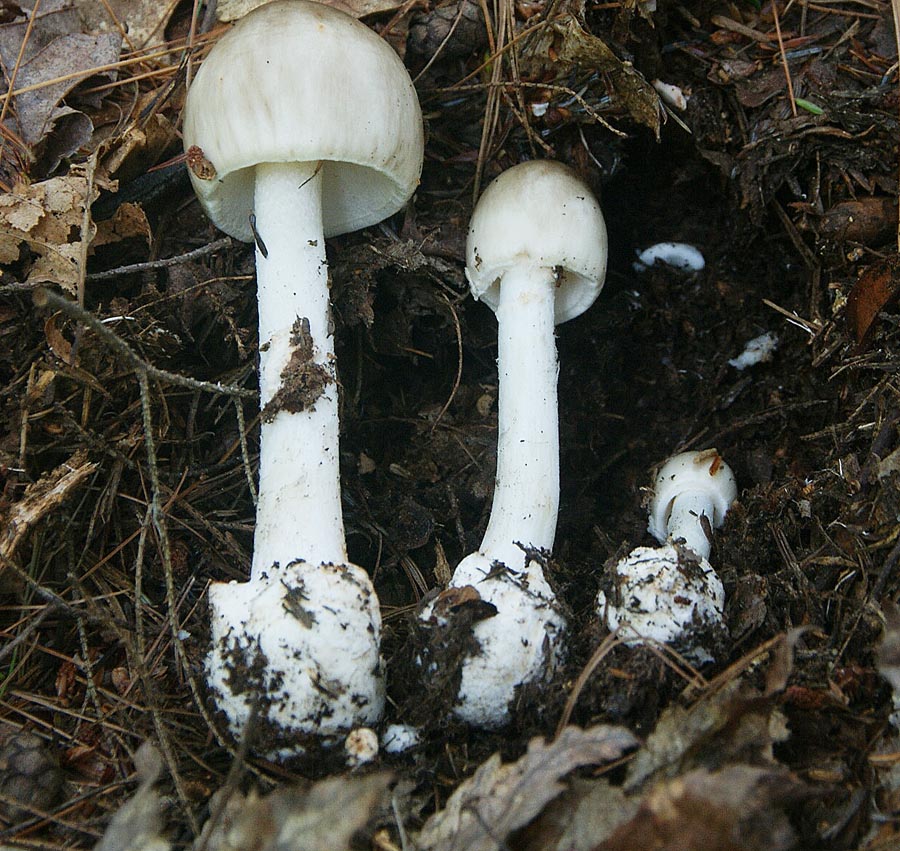
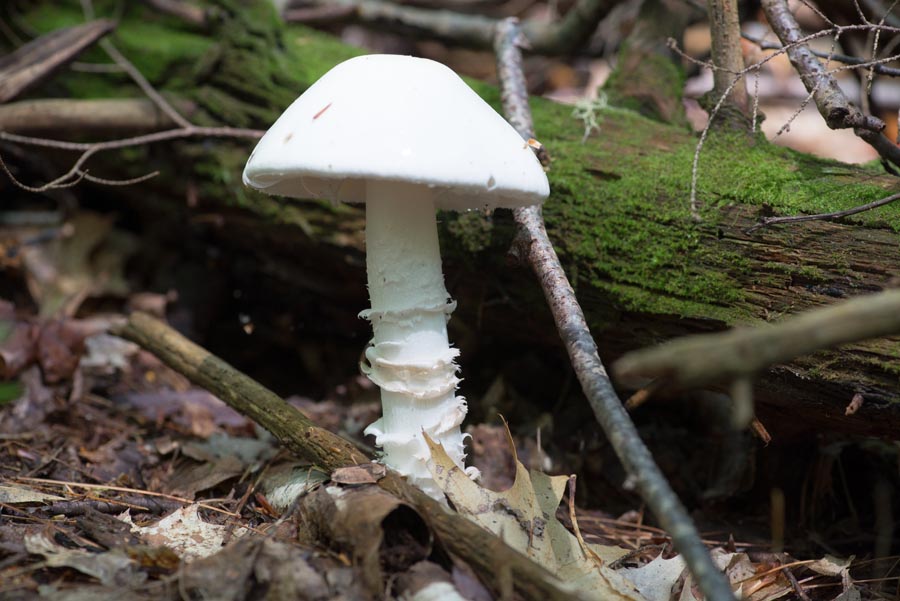
Amanita bisporigera lives up to its name: Destroying Angel, and one of its close relatives is Death Cap. These beautiful and common fungi will lead you to a most uncomfortable death in a somewhat protracted time. In the end your liver is destroyed and there is no known antidote.
You can recognize this fungus by its whiteness, a ring around the stalk just below the cap, and a bulbous base. The cap of A. bisporigera is smooth, unlike some Amanitas that have white patches scattered over the surface of the cap.
Most Amanita species form mycorrhizal associations with trees, so are part of the Wood Wide Web. Amanita bisporigera hooks up with broad-leaved trees. These fungi provide the tree with nutrients obtained from scavenging and receive sugar, produced by photosynthesis. They are important members of the Forest Community. Just don’t eat them.
Ghost Plant: Monotropa uniflora
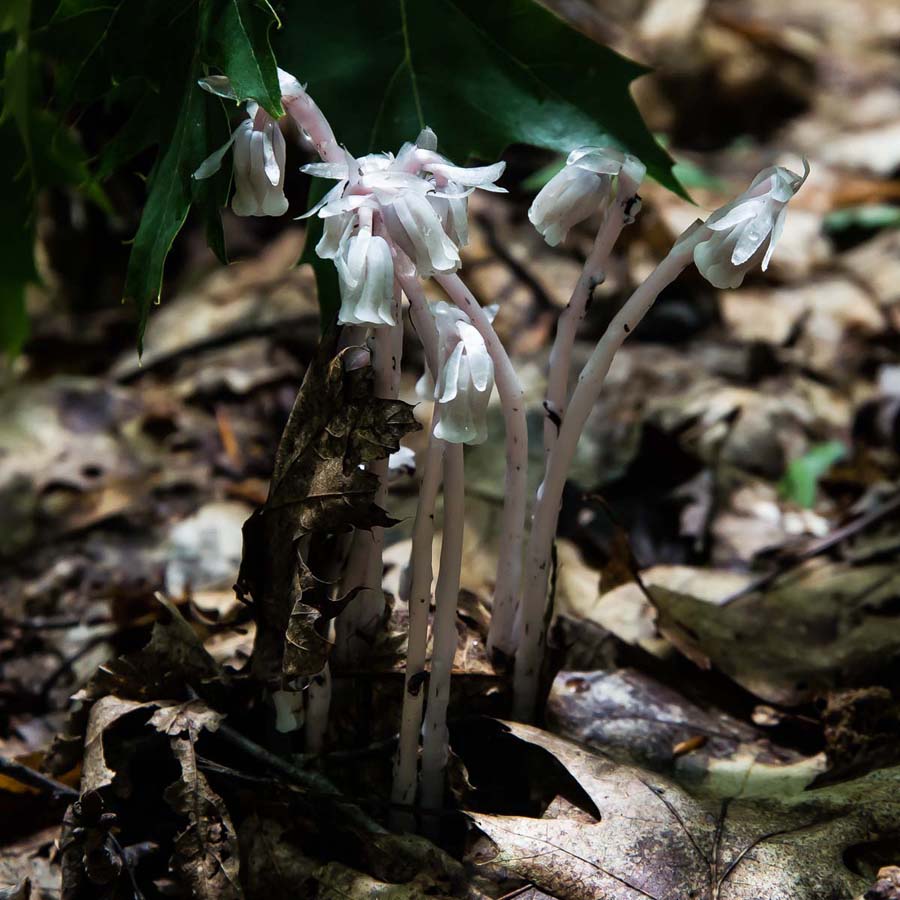
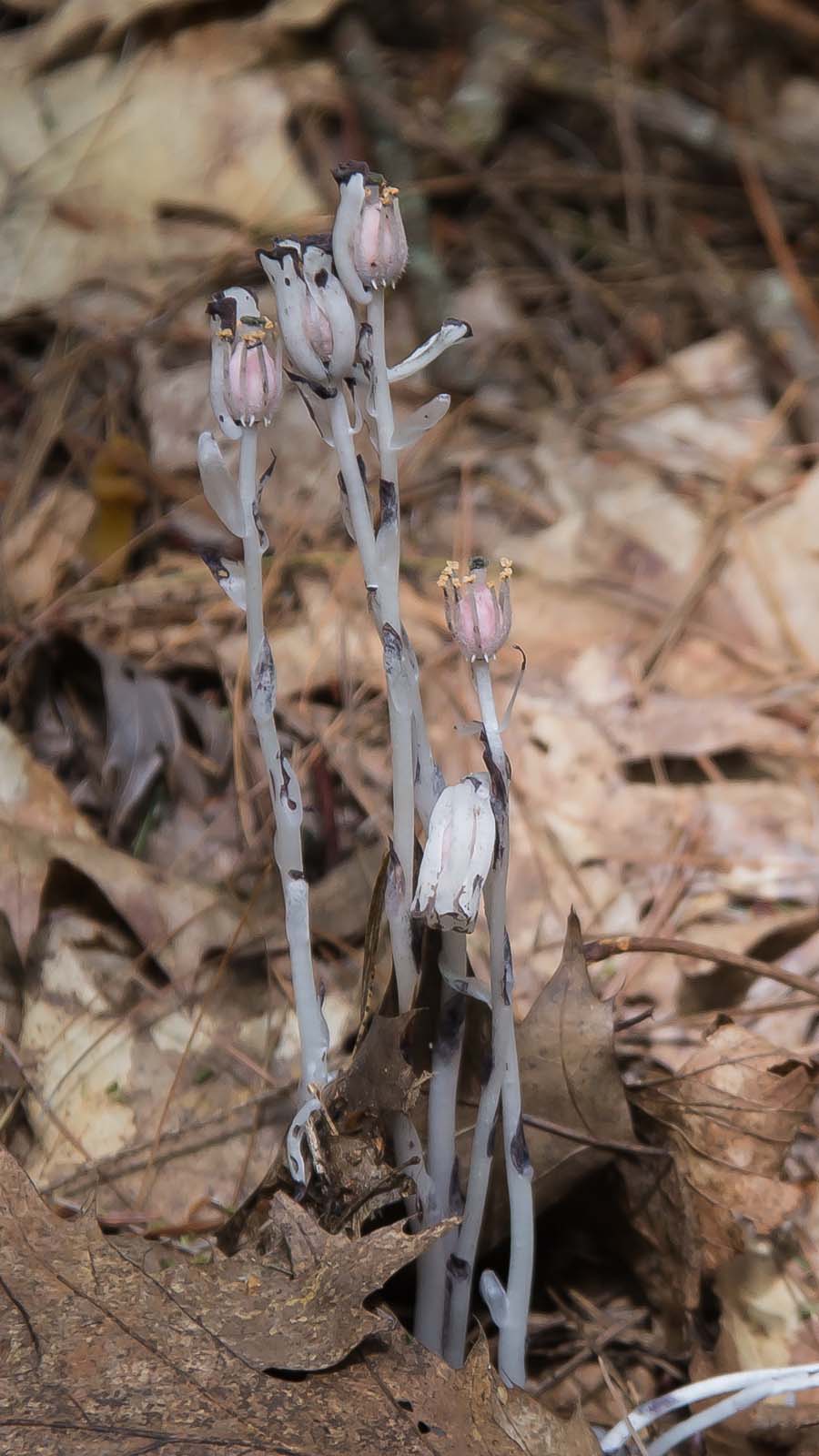
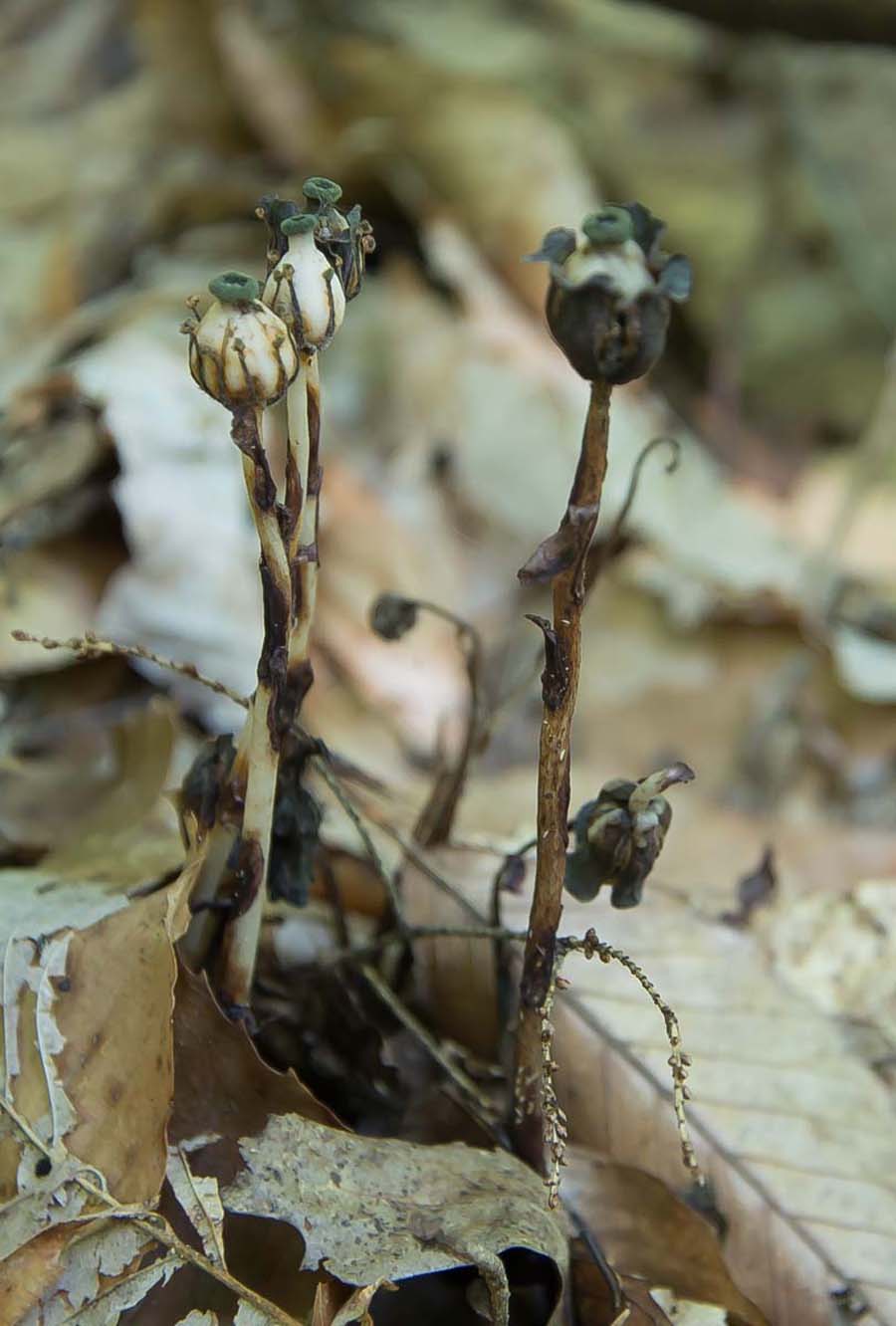
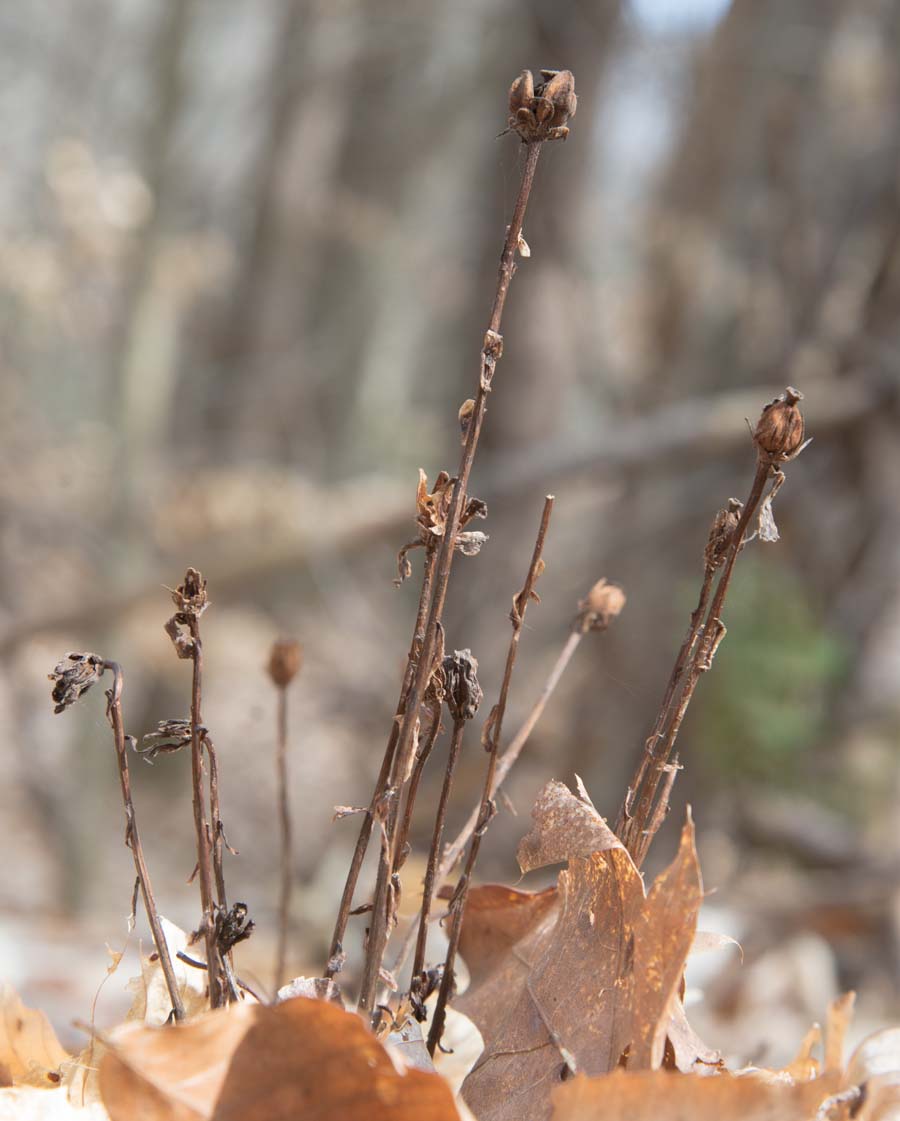
The Ghost Plant, also known as Indian Pipe, is not a fungus for all that it looks like it should be one, what with its white stems and flowers that arise from the forest floor. Early in the season the flower nods, suggesting a pipe. As the season progreses the flower gradually becomes erect to disperse its seeds. Finally all that remains are stems with spent flowers, all looking like dead sticks breaking through the forest floor.
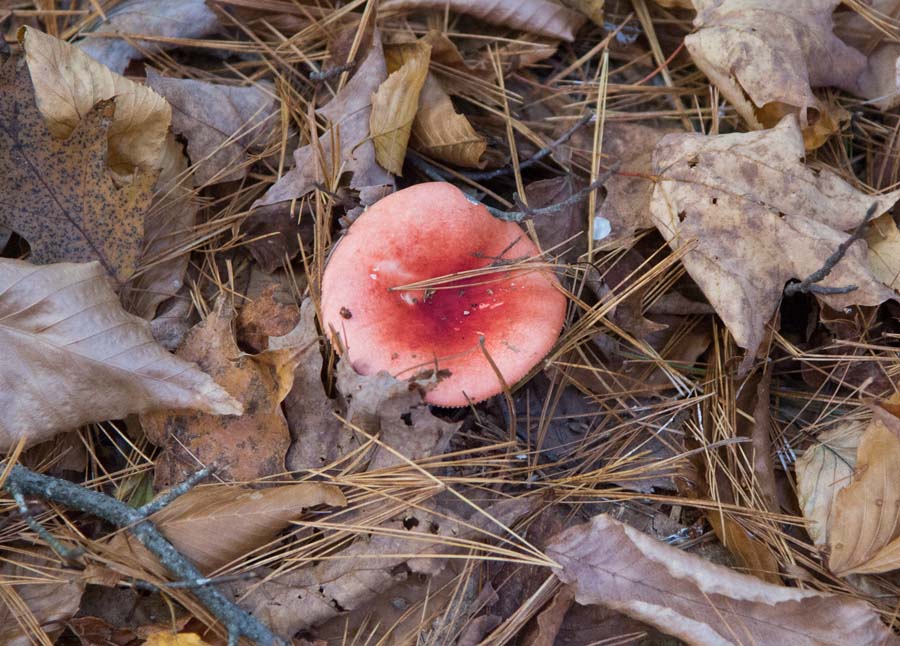
Monotropa and its relatives are actually related to blueberry, but they lack chlorophyll and thus they lack the ability to make their own food through photosynthesis. To meet that challenge, Monotropa and Hypopitys species latch onto the Wood Wide Web by parasitizing mycorrhizal mushroom-forming fungi. Monotropa uniflora parasitizes species of Russula (a typical species having a red cap is shown here), which form mycorrhizae with broad-leaved trees. In this three way affair, the Ghost Plant is a taker. The Russula gives nutrients to the Oak, which returns the favor by sending sugar into the mycelium. The Ghost Plant takes what it needs from the mycelium. The fungus doesn’t seem to mind though. This is just another way for a fungus to tell the rest of the world that “you can’t live without me!”


So fun to read! The town is lucky to
<
div>Have you doing this. Amy
Sent from my iPhone
<
div dir=”ltr”>
<
blockquote type=”cite”>
LikeLike