A lot of plants having yellow flowers bloom late in June in what some would call their lawn. We don’t do anything to encourage a grassy expanse of lawn, so what we get is probably anathema to most home owners.
Well, one price they pay for that lush green-ness is that they don’t get to see much of a variety of wildflowers. Woe betide the not-grass that appears in the ‘well-manicured’ lawn.
OK, sermon ended.
Currently four species of hawkweed, at least two species of cinquefoil and a small St John’s wort are blooming in great profusion around town. All have yellow flowers. But, so do goldenrod, evening primroses and larger St. John’s wort, whose plants are up but not yet flowering. We have passed from the spring, when white and green flowers were effective in attracting wild bees and other insect pollinators maybe more by odor than plant color? But, now we are full on bee time and yellow is the dominant flower color of the day.
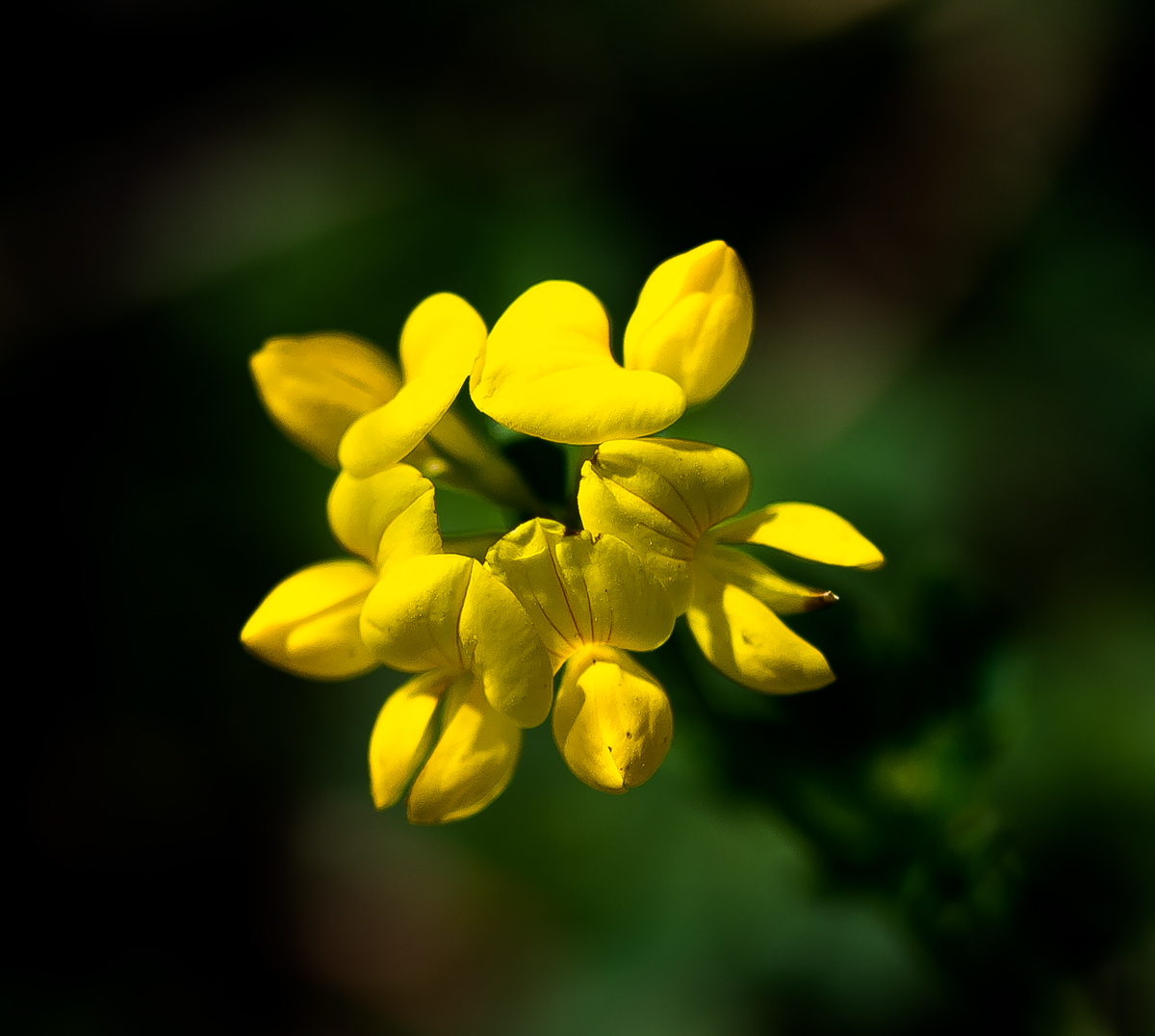
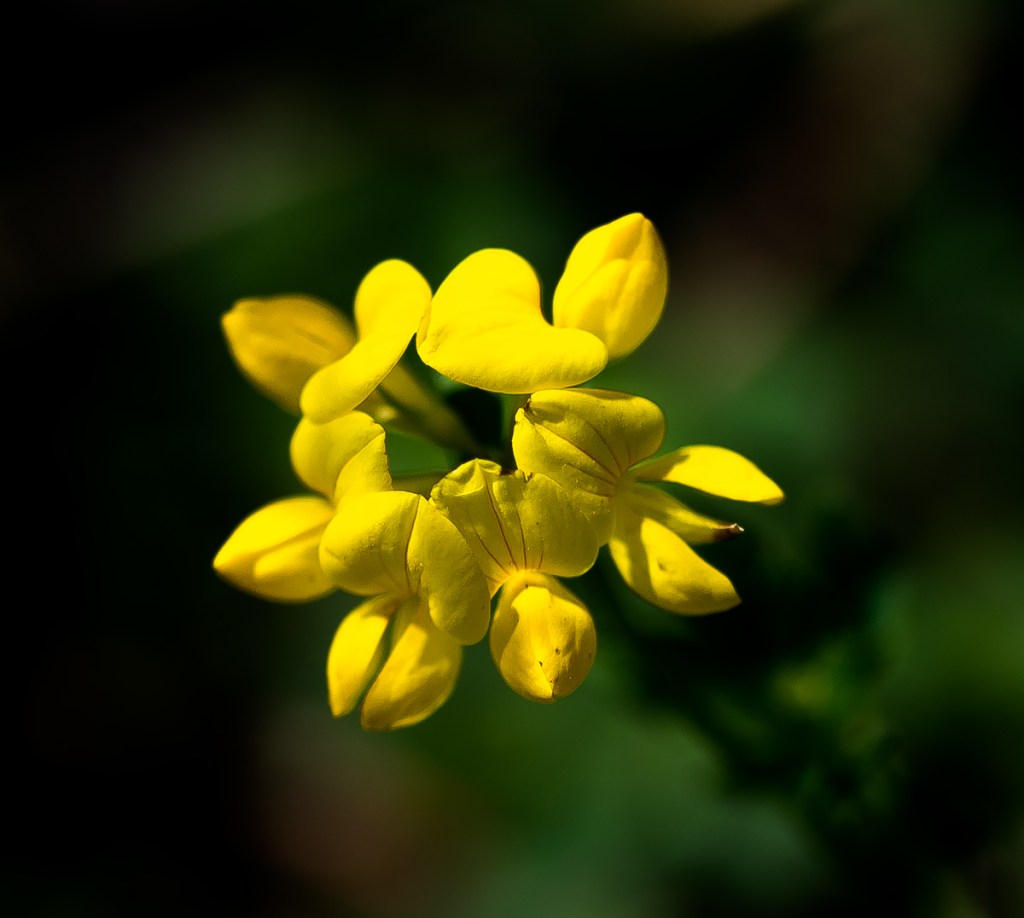
Scouting around our ‘garden’ a few days ago I noticed scattered plants of bird’s-foot-trefoil . I had not previously seen this species in Deering. It’s common enough. Certainly I have overlooked it.
Bird’s-foot-trefoil , Lotus corniculatus, is a member of the pea family. It’s low, sprawling herbaceous plants have 3 clover like leaflets (actually 5, with 2 opposite leaflets at the base of the ‘trefoil’ or triple leaflets. This is the only legume with 5 leaflets). The plants can stand up to 2 ft tall and flowering branches terminate in a head, or floret, of pea-like yellow flowers. The fruit is a pod about one inch long. One brown to purple seed pod is produced per flower situated at right angles to the flower stalk and thus the 5-6 splayed pods resemble a bird’s foot.
Bird’s-foot-trefoil is a perennial, native to Eurasia but now widely distributed in North America after having been introduced around 1900. It is a “long-day “plant, requiring sixteen hours of sunlight to flower, just right now for the end of June. In some parts of North America and Australia the plant is considered a bothersome invasive while elsewhere it is planted for erosion control, because of its deep tap root, and as a forage legume on poor soil because of its nodulated roots that fix nitrogen. Several cultivars are available for agricultural use.
Flowers of bird’s-foot-trefoil flowers occur in florets of 4-8. Each floret is bisexual, thus can self pollinate although the plant has a self-incompatibility mechanism that prevents self-seeding. Most pollination is effected between plants by insects. Pollen in the plant matures before the flower opens. Filaments push the loose pollen forward into the closed tip of the united lower petals (keel), and pollination occurs when an insect’s weight on the keel forces a ribbon-like mass of pollen from the keel opening, some of it adhering to the insect’s underside. Further pressure as the insect seeks the nectaries causes the female stigma to slide into the same contact area, where it’s stickiness may pick up pollen from another plant that got stuck onto the insect. Like some other legumes, the bird’s-foot-trefoil produces highly nutritious pollen.
Honey bees and, especially, bumble bees are the principle pollinators of bird’s- foot-trefoil. Some bees became highly specialized on these plants; in fact, the decline of several bumble bee species has been linked to the reduced availability of clover, bird’s-foot-trefoil and other legumes. In Scotland, three of the scarcest bee species are believed to be completely dependent on bird’s-foot-trefoil’s pollen; the pine-wood mason bee, the mountain mason bee (Osmia inermis) and the wall mason bee (Osmia parietina).
But more importantly for the aspect of ecosystem services, the bird’s-foot-trefoil is a larval food plant for several butterflies and moths and a valuable nectar source for many other insects.


Bird’s-foot-trefoil can be confused with another yellow-flowered herb, butter-and-eggs, Linaria vulgaris Butter-and-eggs, or common toadflax, occupies much the same habitat as bird’s-foot-trefoil but flowers much later in the season. Butter-and-eggs can be problematic because through its vigorous growth it can out-compete other pasture natives and form dense mats that prevent the establishment of desired species. The plant is mildly toxic to livestock.

Butter-and-eggs 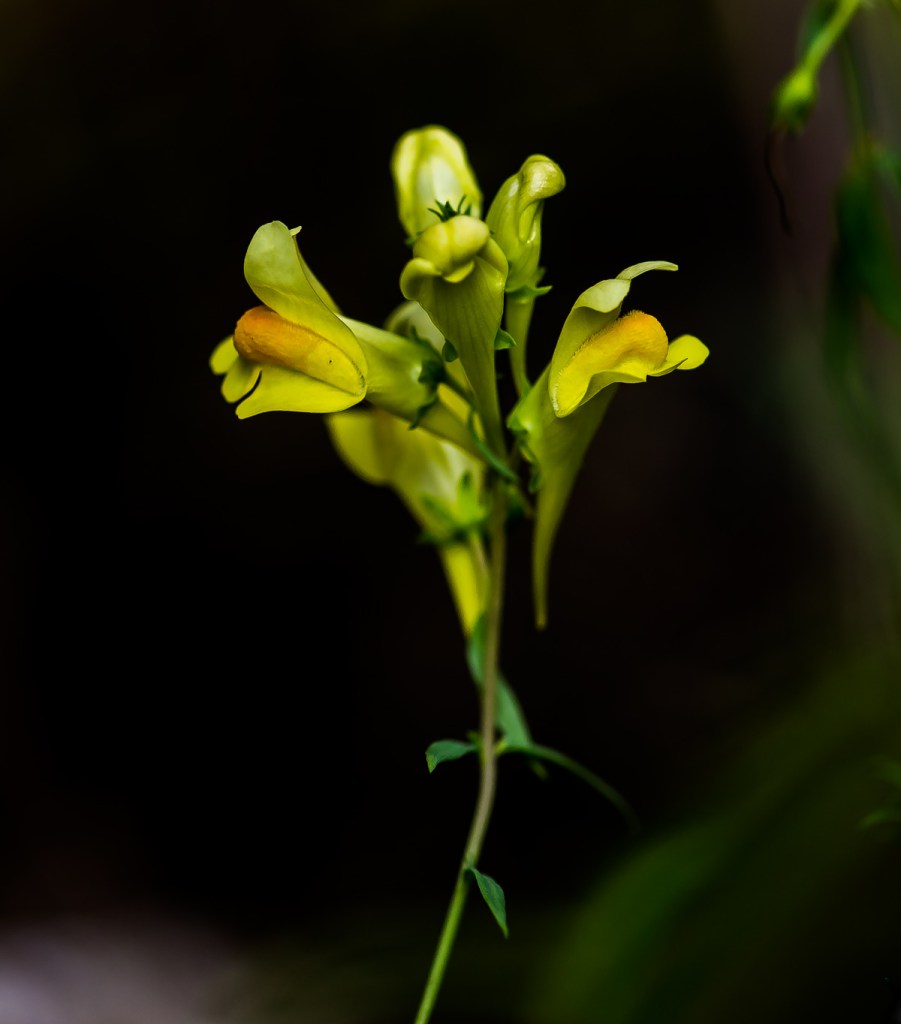
Butter-and-eggs
(In writing this post I relied heavily on The Book of Field and Roadside. Open-Country Weeds, Trees, and Wildflowers of Eastern North America by John Eastman. 2003. Stackpole books. It is one of three similar books by the same author. I am not sure that they are still in print. I found mine on E Bay).


 DEERING'S NATURAL HISTORY